Why Linen, Why Now
04 May 2026
Best Sellers





Sign up for 10% off your first purchase. Free shipping on all US orders.

Free shipping on All US Orders.


A fabric for the body in transition—and why we keep returning to it.
A fibre with a long memory
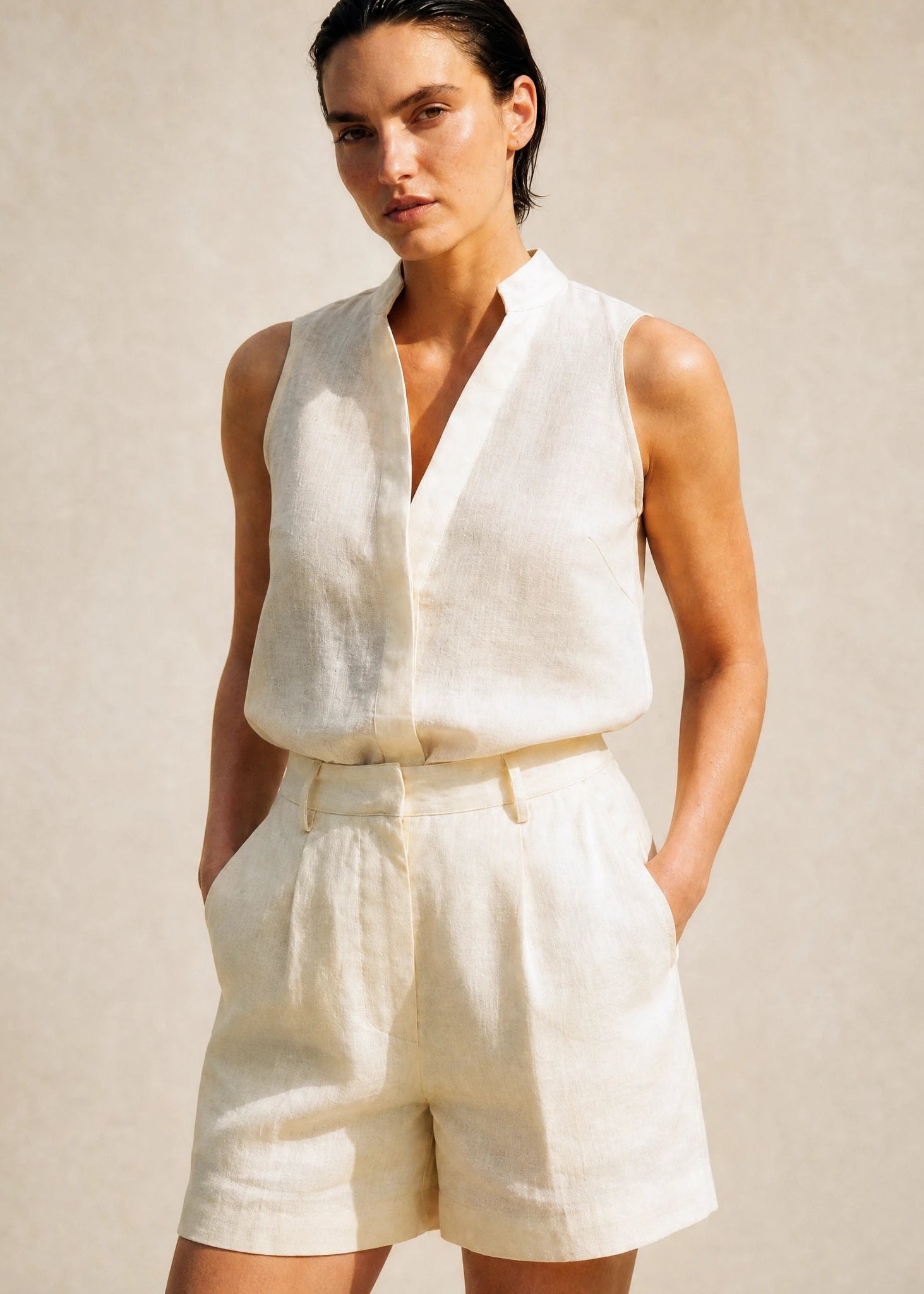
Linen is among the oldest textiles humans have made. Strips of it have been pulled from Neolithic graves, wrapped around pharaohs, folded into the trousseaux of women who never wrote their names down. For most of recorded history, linen was the cloth closest to the skin: undergarments, sleepwear, the shifts women slept and laboured and gave birth in. It earned that intimacy. The fibre comes from the stem of the flax plant, and unlike cotton, which sits softly on the body, linen has structure. It holds itself off the skin in tiny, breathable channels. It moves air. It moves moisture. It does, quietly, what the body asks it to do.
We are not the first generation to wear it. But we may be the first to need it for reasons our grandmothers were never given language for.
What perimenopause actually is
Perimenopause is not a single event. It is a years-long endocrine transition—often beginning in the late thirties and stretching into the early fifties—during which the ovaries produce oestrogen and progesterone in increasingly erratic patterns. The hypothalamus, which regulates body temperature, becomes more sensitive to small hormonal shifts. The result is the constellation most women know intimately: hot flashes, night sweats, sleep disruption, sudden flushes that arrive in meetings or mid-sentence.
What is less often discussed is how much the wardrobe matters. A synthetic fibre traps heat and moisture against an already destabilised thermostat. A poorly chosen waistband presses on a body whose relationship to bloating, weight, and shape is already in flux. Clothing, in this season of life, stops being a styling question. It becomes a question of physiology.
“Linen does not insulate the body so much as it cooperates with it.”
Why this fabric meets this moment
Linen has a property textile scientists call high moisture regain. It can absorb up to twenty per cent of its weight in water before it feels damp against the skin. For a body that sweats unpredictably, that buffer is the difference between waking once in the night and waking five times. Linen also conducts heat away from the body more efficiently than most fibres in common use. It is, in a literal thermodynamic sense, cooling.
But the case for linen is not only mechanical. There is something the cloth does that we have not yet measured—a softness it acquires only with use, a way of falling on the body that does not demand the body be a particular shape. Linen wrinkles. It softens. It goes on holding you while you change.
An invitation
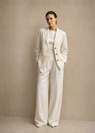
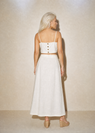
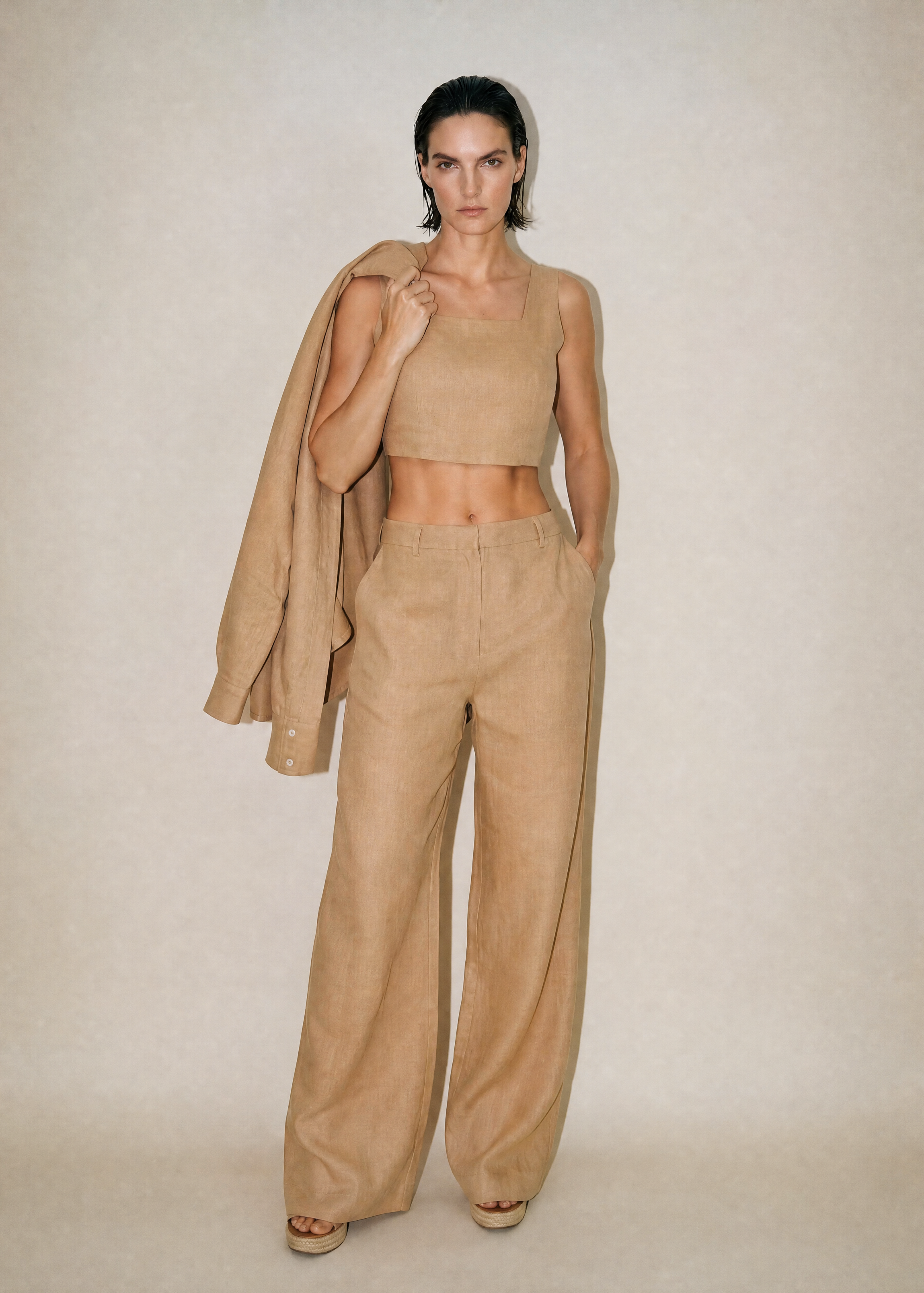
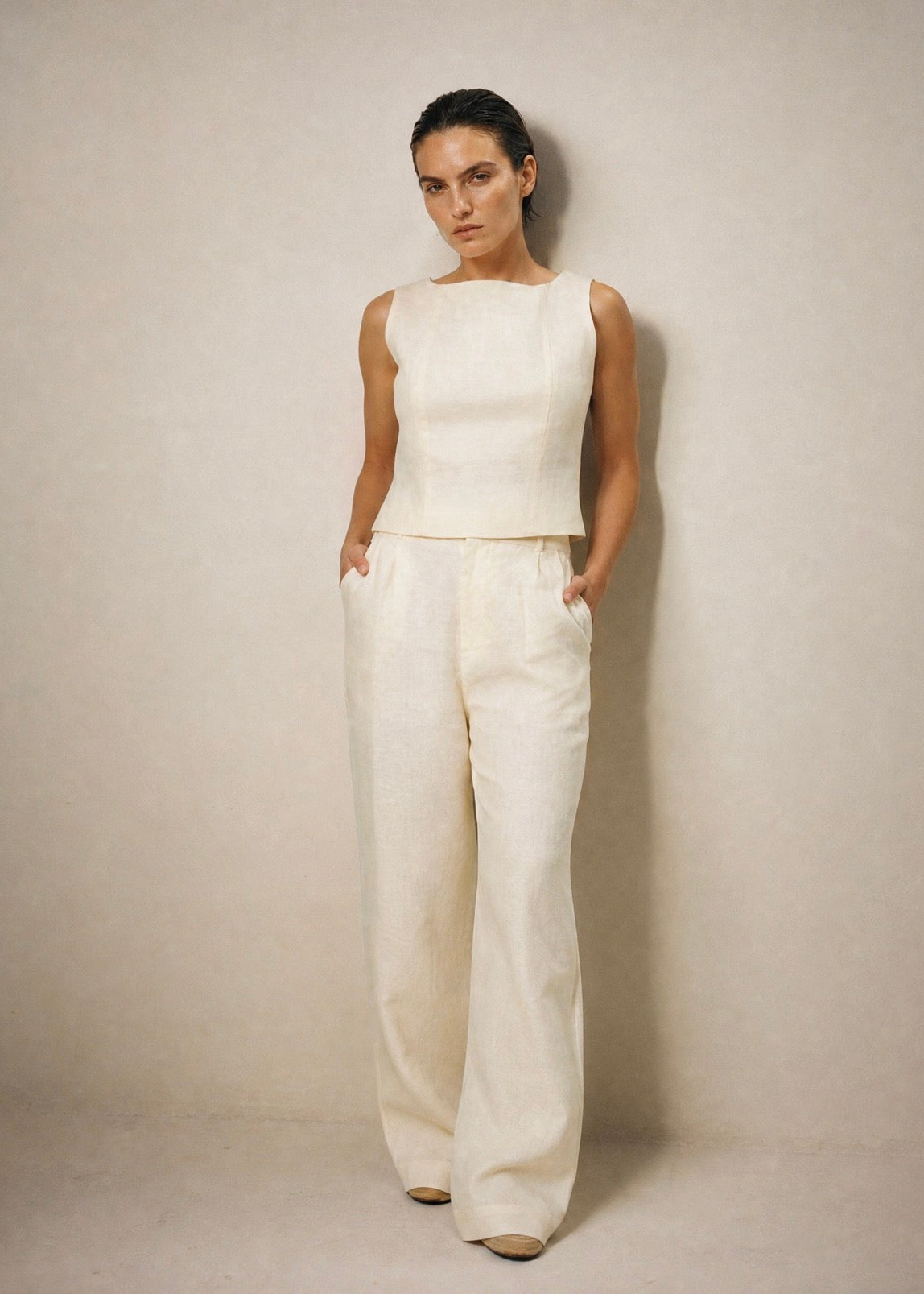
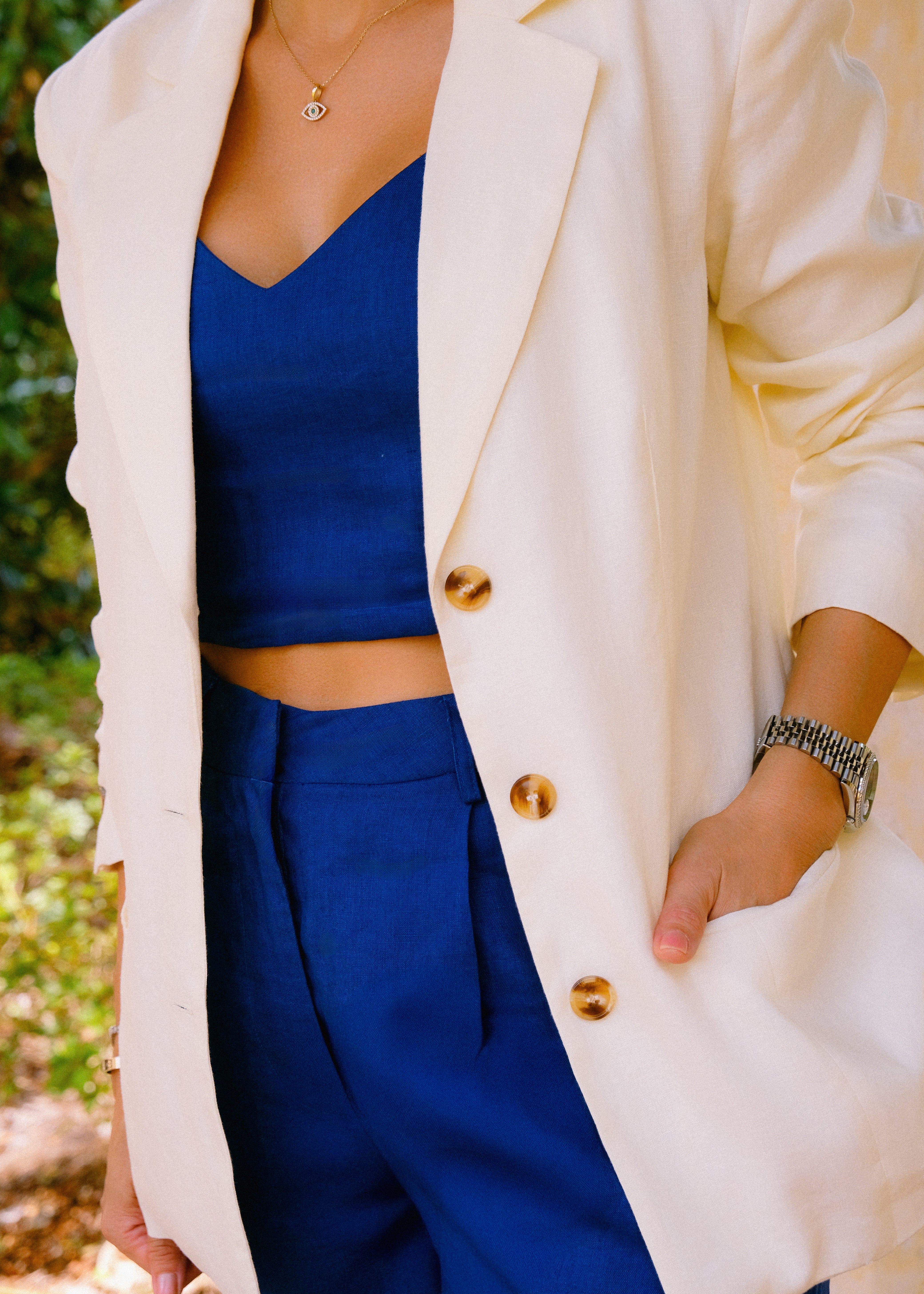
The Prana Collection is built around this single, ancient fibre, cut into the pieces a woman in transition actually reaches for: the sleep set that lets the night sweat pass through and dry, the wide-leg trouser that does not fight the waist, the long robe that becomes the first garment of the morning. Each piece in the collection has its own essay, its own reason for being. This is the first.
First in a twelve-part series on linen, the body, and the years that change us.
Thanks for subscribing!
This email has been registered!
| Product | SKU | Description | Collection | Availability | Product type | Other details |
|---|
Take 10% off your first order
Enter the code below at checkout to get 10% off your first order